Long-form video interviews — FAQ
Why this FAQ exists
Split Folio maps the Edgar mockup’s VIDEOS label to long-form interview craft. These questions come from editors, producers, and subjects preparing for sit-downs that will also feed a written profile. Answers stay procedural. They do not invent audience metrics.
How long should a culture interview run on camera?
Plan for more recorded time than published time. A useful working range for a feature sit-down is 45–90 minutes of conversation, knowing the edit may land between eight and twenty minutes. Stop when answers start looping, not when a clock hits a round number. If the written piece needs only a few quotes, still protect enough run time for context around those quotes.
Where should the camera sit relative to the writer?
Keep the primary camera close to the interviewer’s eyeline so the subject is not answering a third person across the room. A second camera can live wider for cutaways, but the A-cam should feel like a conversation, not a deposition. Writers who also appear on camera should sit just off lens axis, not behind the operator.
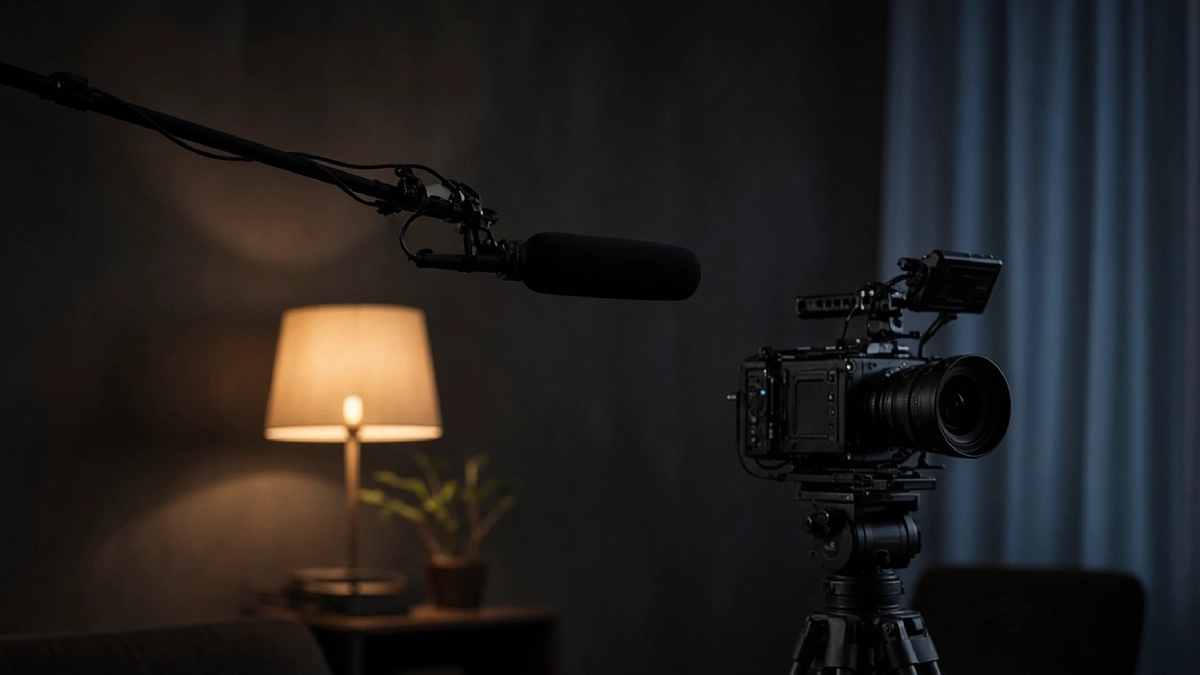
What audio basics prevent a reshoot?
- Lavaliers as primary when wardrobe allows, with a boom as safety
- Ten seconds of room tone at the top and bottom of each setup
- Phones in airplane mode; HVAC noted and, if possible, reduced
- A slate or verbal ID at the start of each card
Bad audio forces rewrite. Good audio lets the written profile keep the subject’s cadence.
How do you handle consent and cuts?
Explain, before record, whether the conversation is on the record, whether the subject may flag moments to exclude, and how long rough cuts will circulate. Put that agreement in email. For culture profiles that also run as text, confirm whether unused stories may still appear in print. Ambiguity here creates legal and trust debt.
Should video thumbnails match the print portrait?
They should rhyme, not clone. If the home page uses a full-bleed portrait with an oversized surname, the video still can reuse the same light family and wardrobe, cropped for 16:9. Avoid adding neon lower-thirds that fight a black-and-white folio UI. See also the portrait light gallery for stills that leave room for type.
What belongs in a video FAQ page versus the written interview?
Use video FAQ pages for process: gear, consent, scheduling, and accessibility captions. Keep revelation, biography, and argument in the written interview—such as In conversation with Lena Voss. Readers who only watch should still get a complete story; readers who only read should not feel punished for skipping the embed.
How do captions and accessibility fit editorial tone?
Burned-in captions are a last resort. Prefer soft subtitles the viewer can toggle. Keep caption language faithful; do not “clean up” dialect into a corporate voice. Describe nonverbal beats in brackets only when meaning depends on them.
Closing
Long-form video is not a trailer for the article. It is a second medium with its own pacing. Treat audio, consent, and framing as editorial choices, and the Videos section of Split Folio will feel continuous with the white-column folio rather than bolted on.