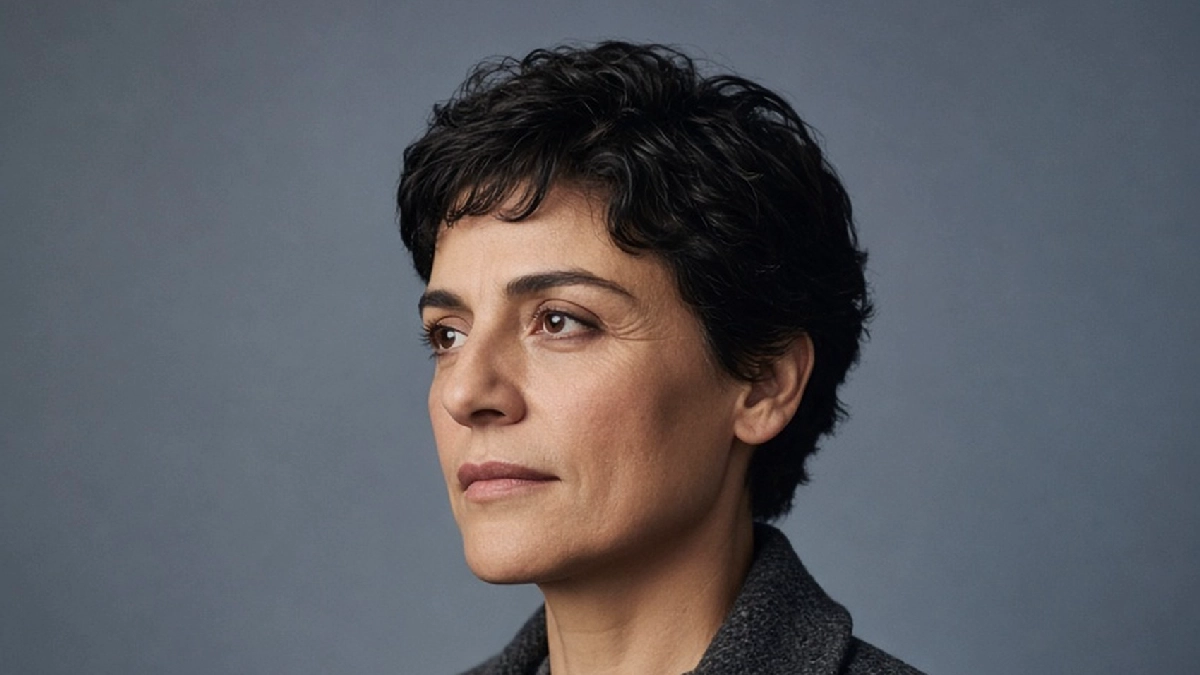
In conversation with Lena Voss
Opening the room
Lena Voss arrives early. Not for the call sheet, she says, but for the quiet that exists before a crew fills a room with stands, tape marks, and coffee. Split Folio met her in a rented loft used for portrait tests—grey seamless, one soft source, and a chair she never sat in. She preferred to stand, hands in the pockets of a charcoal coat, watching the spill on the wall as if it were the subject.
This is not a career retrospective. Voss does not keep a highlight reel. What she keeps are rules for how long a face can hold stillness before it starts performing. The conversation below is edited for clarity, not for polish.
Why persistence looks like waiting
Split Folio: People call you persistent. Is that a compliment on set?
Voss: Persistence is usually code for “she asked for another take.” I ask when the take still has a lie in it. Actors know. Operators know. The lie is often tiny—a smile that arrives half a beat early, a glance that checks the camera. Persistence is waiting until the room forgets we are recording.
Split Folio: How do you know when to stop waiting?
Voss: When the subject stops negotiating with the lens. Portrait work and interview work share that edge. In a magazine frame you can crop the negotiation. In a long interview you cannot. So I light for the second hour, not the first minute.
Portrait light as editorial grammar
Voss talks about light the way some editors talk about punctuation. Soft wrap from camera-left is not a default mood; it is a sentence structure. She wants the far cheek to stay readable without flattening the nose. She wants the background a half-stop darker than the key so the head separates without a hard rim.
“Covers that look expensive,” she says, “are usually covers that refused a second light they did not need.” The gallery pieces she prefers are almost empty: a coat texture, a cool wall, a surname in oversized type overlapping a shoulder. The type is not decoration. It is a second subject that must not fight the eyes.
Culture work without the press kit
Asked about culture magazines that chase virality, Voss declines to rank outlets. She will say this: interviews that treat a person as a product launch leave no residue. The residue she wants is a sentence a reader remembers while washing dishes—something small enough to be true.
She mentions a shoot where the subject asked to remove a product placement from the table. The brand team objected. Voss moved the table out of frame and shot the hands instead. “Hands tell you how someone listens,” she says. “Logos tell you who paid for the day.”
What she refuses
- Soft focus used as flattery when the story needs grit
- Music beds under interview answers that already carry rhythm
- Thumbnail crops that cut mid-gesture
She does not claim these refusals are universal ethics. They are her working contract with Split Folio–style editorial: white space on one side of the page, a full-bleed portrait on the other, and a headline that trusts the reader to finish the thought.
Closing
Before we wrap, Voss adjusts a barn door by a centimeter. Nobody asked her to. The spill on the seamless shifts from cool steel to something closer to dusk. She nods once, as if the wall had answered. Then she checks the time—not for the next meeting, but for how long the subject can still stay without performing.
Words by Robert Chiltern for Split Folio.